
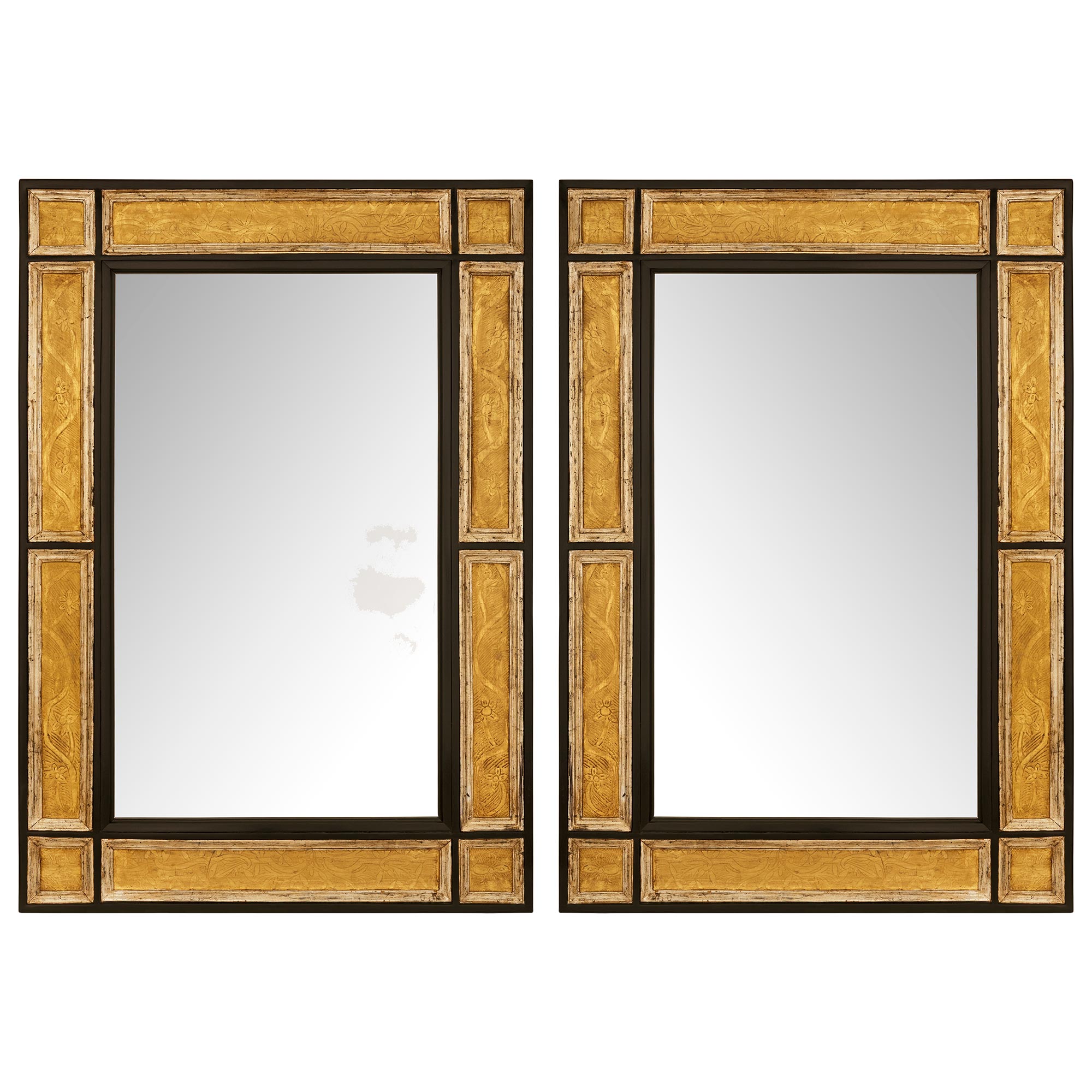
A pair of Italian early 18th century Baroque Period Ebonized Fruitwood, White Gold and Giltwood mirrors
$ 93.88
(Baroque Period) - Derived from the Latin term meaning broken, the Baroque style used contrasting movements, exuberant details, grand movements, rich colors, and illusions to surprise and give a sense of awe. This style of art, architecture, and interior design was thought to be in response to the Protestant Reformation, which worked to limit the influence of the Catholic Church. The removal of religious elements appealed to the intellectual majority of the time, but not churchgoers. After the Council of Trent, the church imposed strict academic policies that sought to communicate religious themes throughout the arts. This short-lived period saw its decline with the help of Madame de Pompadour, who in 1750 sent her nephew on a two-year mission to Italy with the sole purpose of returning a passion for the classical arts to France.
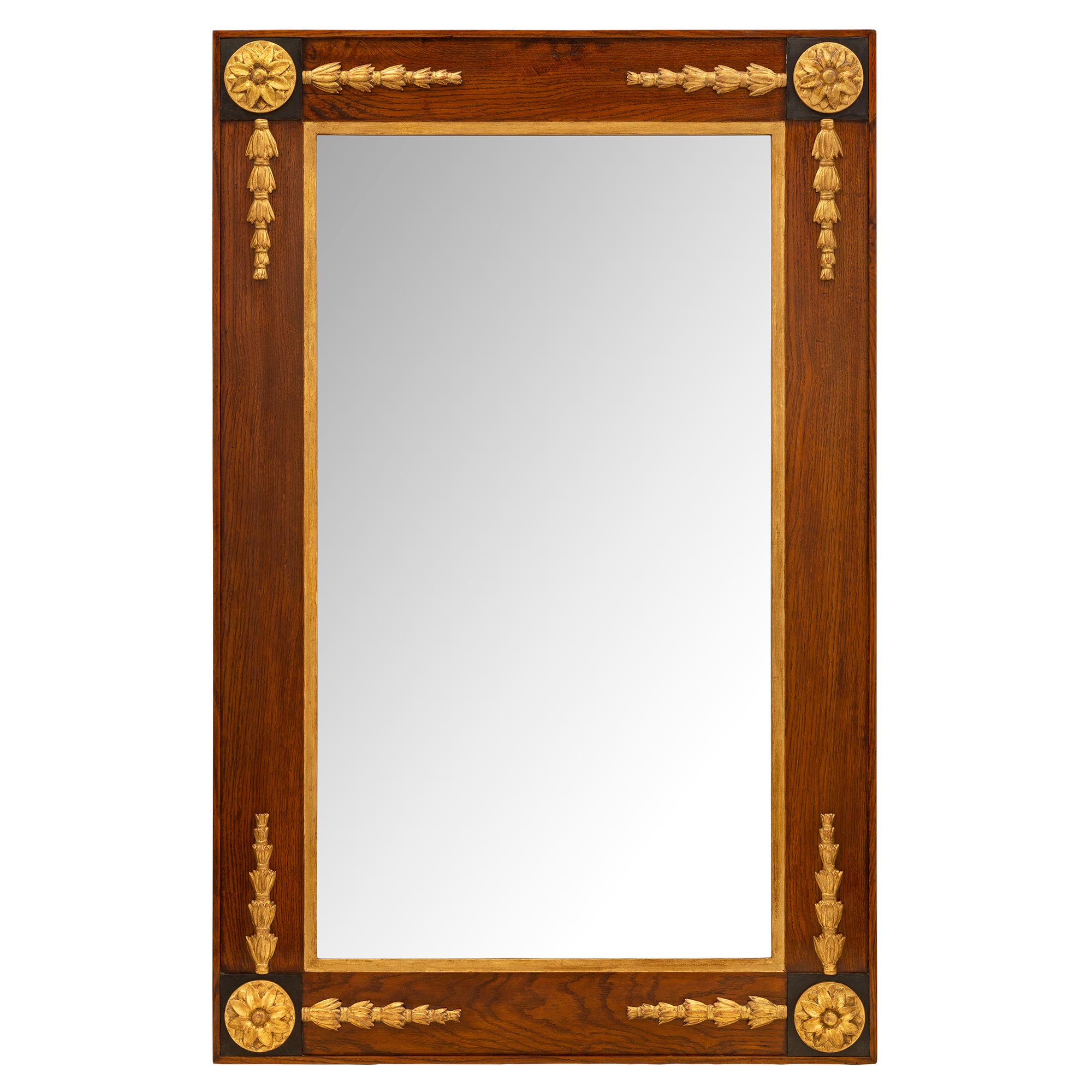 An Italian 18th century Tuscan st. walnut, ebonized fruitwood, and giltwood mirror
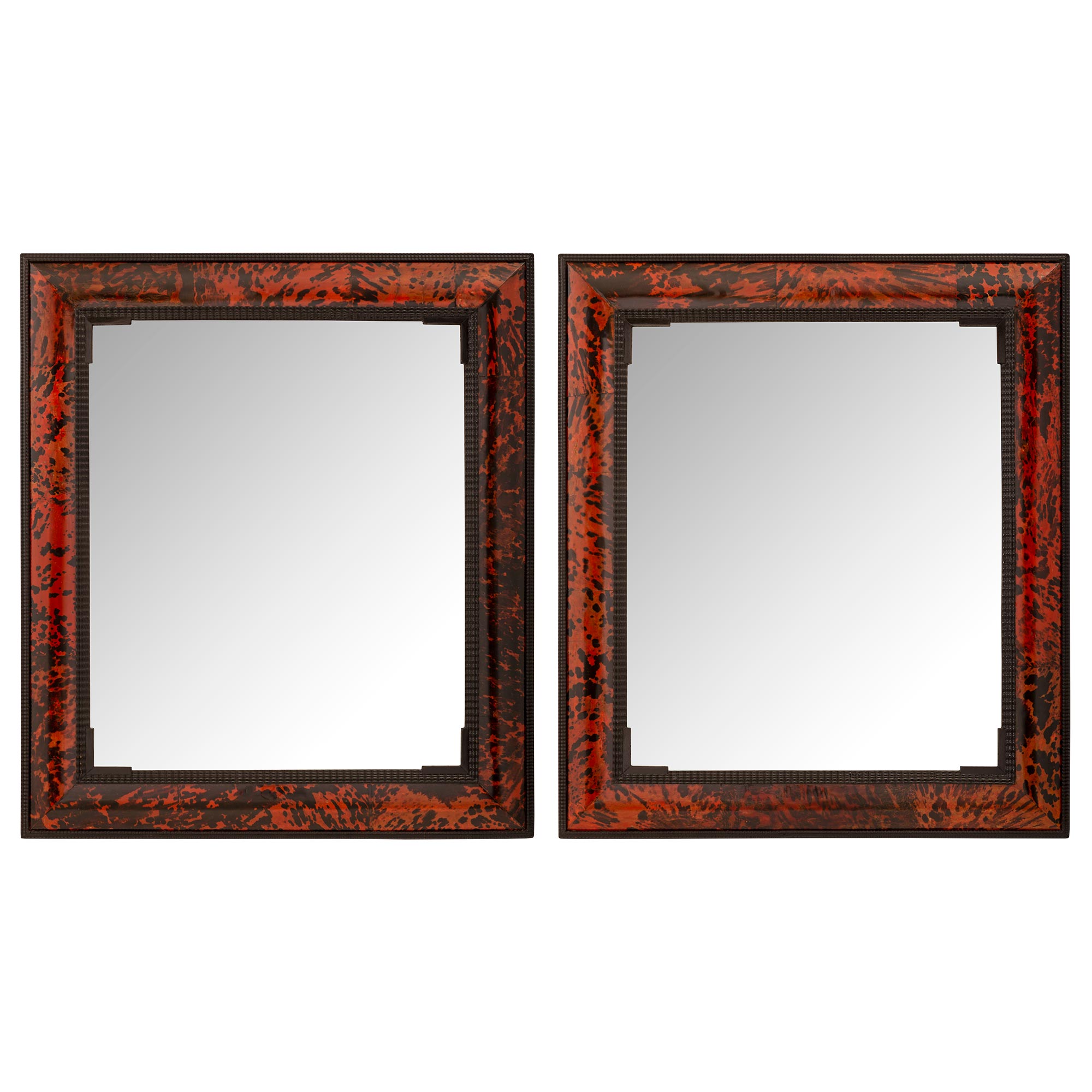 A pair of Flemish early 19th century Baroque st. Tortoiseshell mirrors
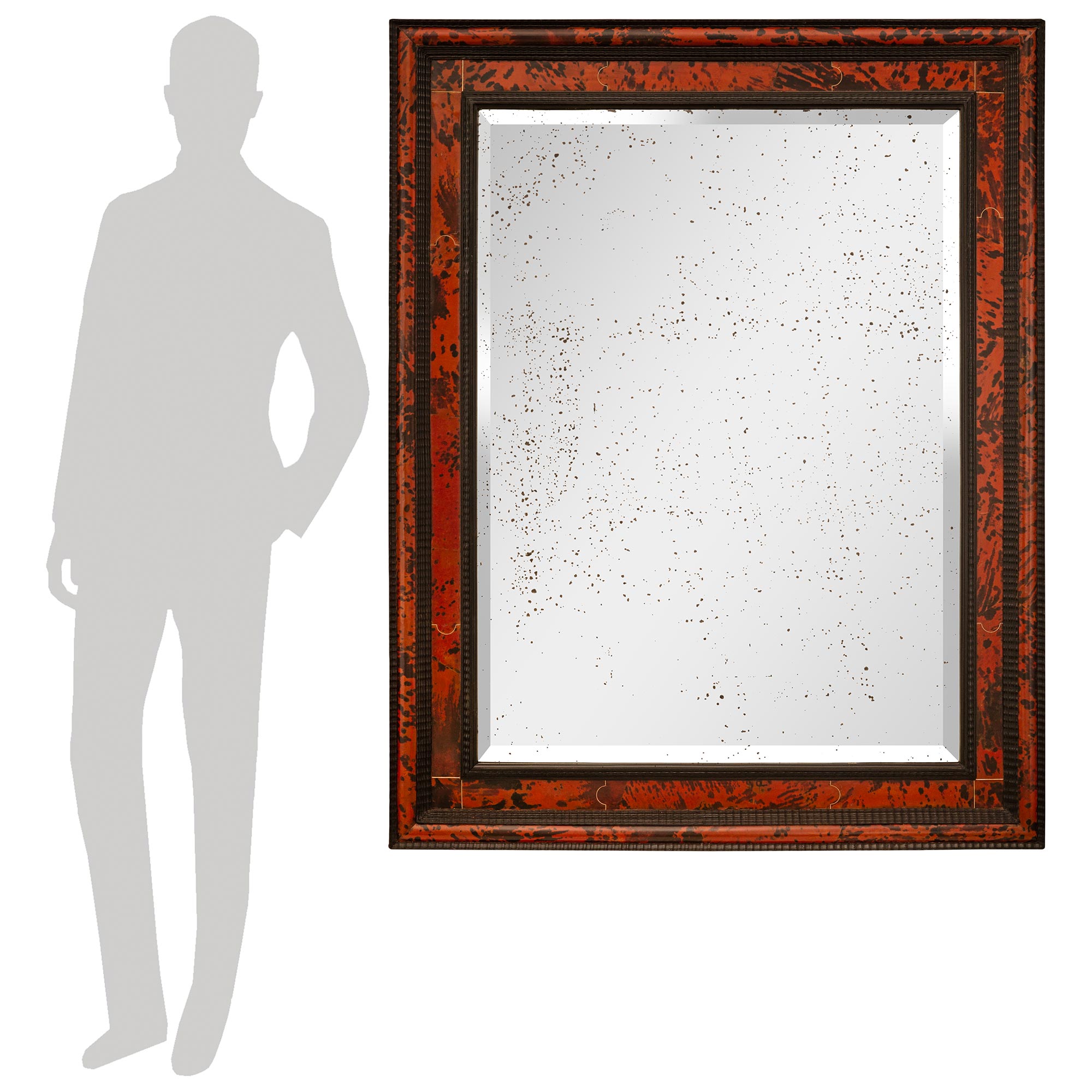 A Continental early 19th century Baroque st. Tortoiseshell and Ebonized Fruitwood mirror
 A French late 19th century Silver leaf mirror